
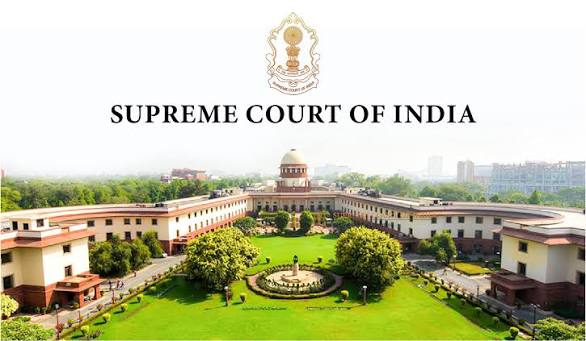
New Delhi, June 2: The Supreme Court has ruled that offences related to cheque dishonour under Section 138 of the Negotiable Instruments Act can be compounded even after conviction if the parties reach a genuine and complete settlement.
A Bench comprising Justice Aravind Kumar and Justice Prasanna B. Varale allowed an appeal filed by Parsharvanath Weld Wires Pvt. Ltd. and its Director Hemant Jain after noting that the complainant had received the entire settled amount of ₹30 lakh and the dispute stood fully resolved.
The Court observed that it had “no hesitation” in accepting the compromise and compounding the offence in view of the settlement reached between the parties.
Referring to its earlier ruling in Gian Chand Garg v. Harpal Singh, the Bench held that once the complainant’s grievance had been satisfactorily addressed through a lawful settlement, the compromise deserved acceptance under Section 147 of the Negotiable Instruments Act.
The apex court emphasized that cheque bounce offences are compoundable in nature and noted that the settlement had been voluntarily entered into after the accused paid the agreed amount in full and final satisfaction of the complainant’s claim.
Consequently, the Court set aside the order of the Chhattisgarh High Court which had declined to recognize the compromise. It also quashed the conviction and sentence imposed on the appellants and directed the immediate release of Director Hemant Jain, who was serving imprisonment following the conviction.
The judgment reiterates that courts can give effect to bona fide settlements in cheque bounce cases even after conviction, provided the complainant has been fully compensated and consents to the compounding of the offence.(KNC)