
ANANTNAG: In the remote villages of south Kashmir’s Anantnag district, a silent crisis is unfolding. For many impoverished families, the struggle against chronic illness has turned into a relentless battle against poverty. Unable to bear the recurring costs of life-saving treatment, many are left fighting not only disease but also financial ruin.
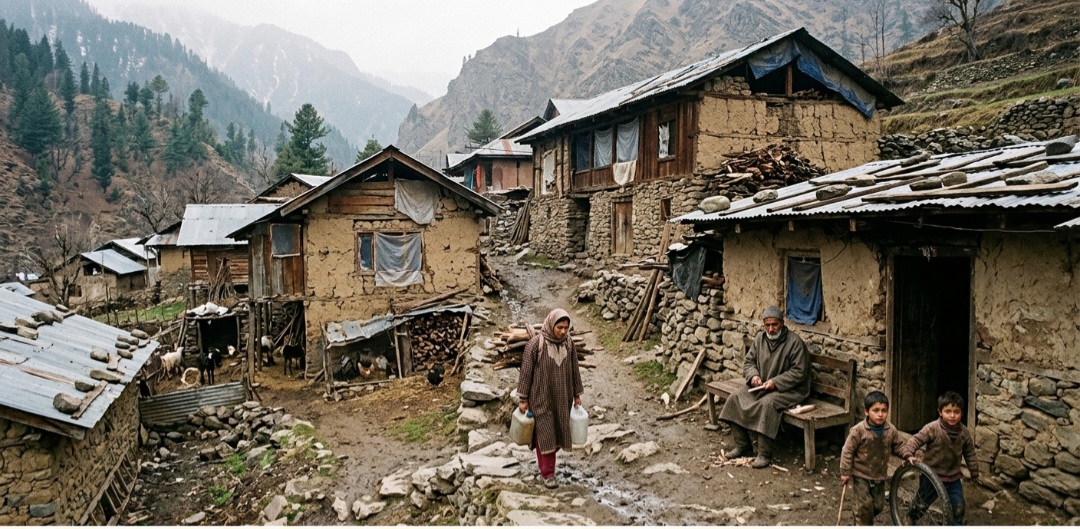
Among those caught in this struggle is Haseena Akhter, a resident of a remote village in Anantnag. For the past 13 years, her life has revolved around ensuring that her husband receives dialysis, a routine that has consumed the family’s resources and hope.
Twice every week, Haseena must somehow arrange transport and other necessities for her husband’s dialysis treatment. Years ago, the family lived with dignity and modest comfort. Her husband worked at a local bakery, earning enough to support the household and provide for their two children a 12-year-old son and a nine-year-old daughter. However, the onset of kidney disease requiring long-term dialysis shattered their stability, plunging the family into emotional and financial distress.
“My husband’s illness has completely broken my back,” Haseena said, using a local expression to describe the crushing burden she carries. “In the initial years, community members and well-wishers helped us. But as time passed, that support dried up. Today, except for a few kind souls, we are entirely on our own.”
The cost of long-term dialysis, coupled with expensive medicines, injections and repeated travel from rural areas to treatment centres, has become overwhelming. Although government schemes such as Ayushman Bharat have eased some medical expenses, transportation costs and other daily necessities continue to place immense pressure on low-income families.
According to official data accessed by NationVoice101, at least 59 dialysis patients are registered at GMC Anantnag. In addition, Anantnag district has six private dialysis centres, each catering to an average of around 50 registered dialysis patients.
Official sources told NationVoice101, that GMC Anantnag is witnessing a significant influx of dialysis patients. The hospital currently operates 10 dialysis machines—eight designated for patients without Hepatitis B or Hepatitis C infections and two dedicated to Hepatitis B and Hepatitis C positive patients to prevent cross-infection. Despite these facilities, officials said around 600 patients remain on the waiting list for dialysis services.
For Haseena, the struggle is deeply personal. As she strives to keep her husband alive while raising two young children, her story reflects the broader challenges faced by many economically vulnerable families battling long-term illness in rural Kashmir.
Her experience underscores the urgent need for stronger social support systems, expanded dialysis infrastructure and sustained assistance for families coping with chronic disease.