

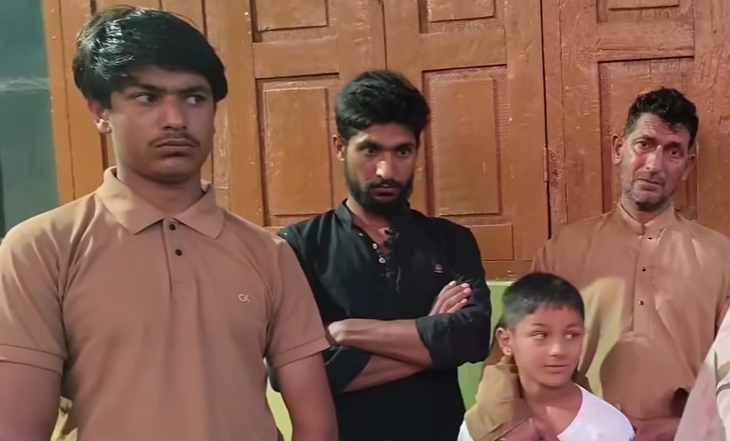
Anantnag: A family in South Kashmir is reeling from the severe aftermath of a social media “trial” after unverified online reporting inaccurately framed a natural tragedy as a criminal act.
Following the death of a woman in the Baliyar Marhama area in December 2025, several online news platforms and digital commentators immediately cast suspicion on her husband. The allegations spread rapidly across social media before official investigators could establish the facts, triggering widespread public condemnation and the social isolation of the grieving family.
The consequences of reckless reporting and viral speculation often outlast the fleeting news cycle, leaving indelible scars on innocent lives. In the quiet village of Baliyar Marhama, a grieving family’s tragedy was compounded when a natural death was twisted into a sensationalized murder accusation by self-styled journalists and social media pages.
The allegations spread like wildfire across regional networks. Without any established facts, the family was subjected to a digital witch hunt that rapidly spilled over into their daily reality, resulting in severe emotional distress and public vilification.
The Official Findings:
While social media courts pronounced their swift and baseless judgments, the official police investigation followed stringent medico-legal procedures.
According to the final inquiry report, the death was thoroughly investigated from all angles. The official findings completely exonerated the husband and dispelled the viral rumors.
Viscera samples were thoroughly examined at forensic laboratories, which conclusively reported no traces of poison or toxins. The final medical report categorized the passing as a natural death, citing cardio-pulmonary arrest as the official cause. Witness statements, expert opinions, and crime scene analysis revealed absolutely no suspicious angle or foul play.
A Lingering Stigmatization:
Despite the official exoneration by law enforcement, the family continues to pay the price for the media’s rush to publish. The husband revealed that the initial wave of defamatory posts caused catastrophic damage to his family’s reputation.
They have endured a severe social boycott and profound isolation within their community. The stigma attached to the viral allegations has been so pervasive that it has even derailed the matrimonial prospects of his son, proving that a digital footprint often holds more sway over public opinion than legal truth.
The Cost of Clicks Over Truth
This case from South Kashmir underscores a growing crisis in the era of instant digital information: the weaponization of unverified claims. When “journalism” prioritizes engagement and sensationalism over facts, innocent individuals are subjected to a public trial long before due process can take place.
Media ethics are that the sensitive cases be treated with balance, accuracy, and rigorous restraint. While the press plays an essential role in accountability, presenting premature speculation as established fact destroys lives.
The Baliyar Marhama incident serves as a grim reminder for both media professionals and consumers. Every post, share, and headline carries immense responsibility, and the fundamental principle of “innocent until proven guilty” must be protected against the reckless tide of social media narratives.